


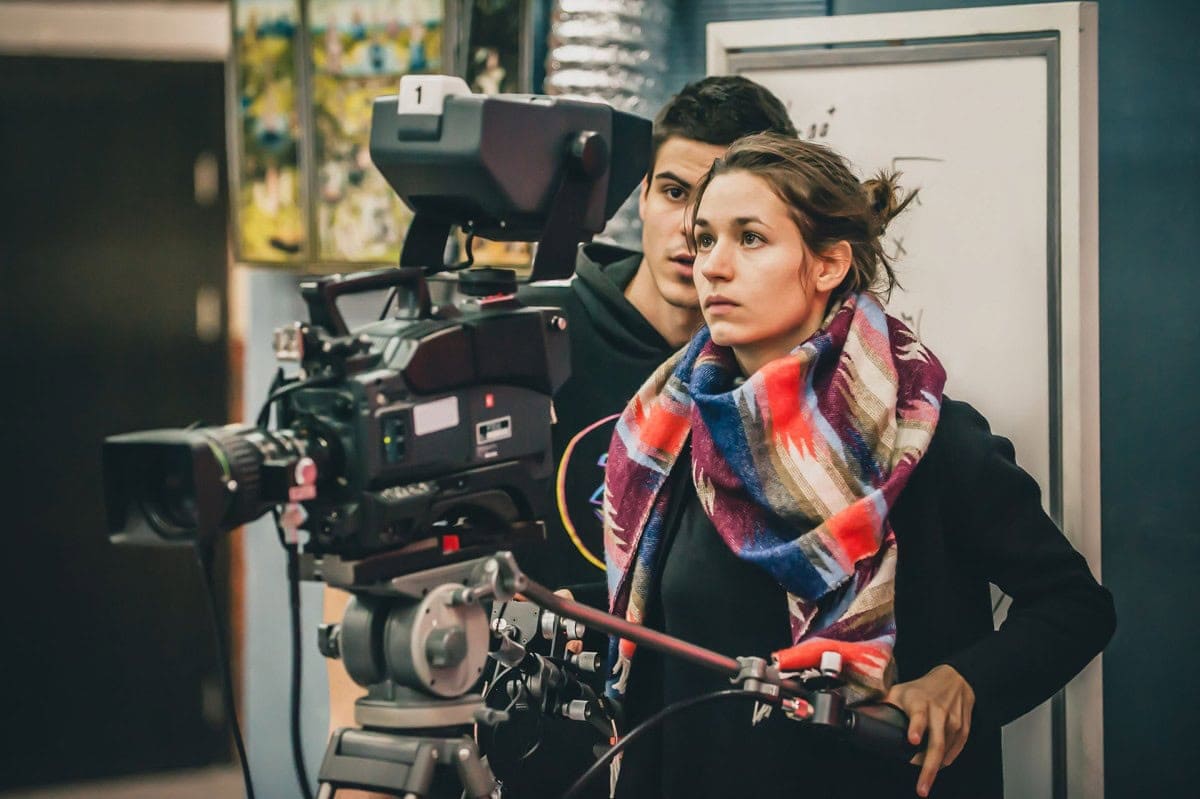
Columbia University student films are a valuable resource for NYC actors looking to build reel footage, connect with emerging filmmakers, and get considered before projects hit the broader casting market.
Casting directors and agents advise actors to "know your type", especially when shooting headshots, and selecting other marketing materials. But what does this really MEAN?
The Coronavirus outbreak of 2020 is leaving many artists unemployed, in quarantine, or otherwise stuck with no creative outlet on the horizon. What should we be doing?

[vc_row][vc_column][vc_column_text css=""]Your Twitter page can look snappy and snazzy! With the newly launched Header Image feature, you now have the ability to further customize your Twitter profile–giving you a LOT of possibilities. Checking out the profile images from @KatieLinendoll and @RyanSeacrest gave me the idea to create my own Custom Twitter Header Image–and to help you make your own with a Custom Twitter Header Image Photoshop Template.

[vc_row][vc_column][vc_column_text css=""]Have you ever seen the back-end of Actors Access, Casting Networks, or another online casting system? From the point of view of a Casting Director, there are pages and pages of thumbnail images—headshots, cropped into little squares about 2 inches
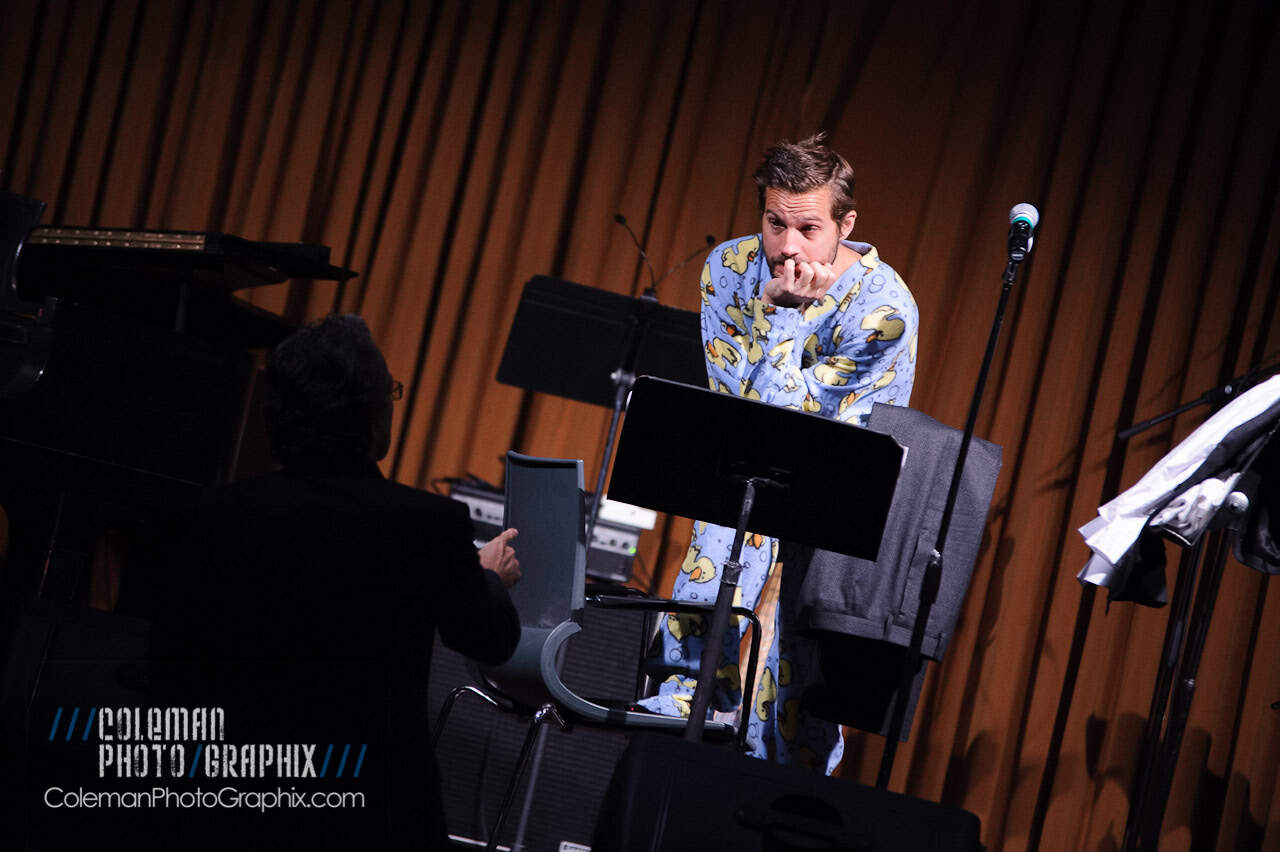
Risk is difficult. Being uncomfortable is difficult. But the artist who chooses to embrace discomfort brings with him a universe of empathy that engages an audience in a way nothing else can.

[vc_row][vc_column][vc_column_text css=""]
Stop Acting Like an Actor & Act Like an Entrepreneur
An entrepreneur is a person in business for him/herself - that's the simple definition. I would go even further to suggest that a TRUE entrepreneur is a business person who recognizes opportunity, and uses the opportunity for business...
Creativity rarely arrives on command. This post explores how routines, creativity triggers, and daily discipline can help actors, writers, and other creative professionals do better work more consistently.

Actor Headshots need to be retouched. Nuff' said. But how much retouching is enough, and what, really, should be retouched? This video walks an actor through the basic elements that need retouching in their headshot.

[vc_row][vc_column][vc_column_text css=""]Situation One: a friend of a friend is putting together a benefit for this Amazing New Theater Group. The evening is billed as a night of improv and sketch comedy, and all proceeds go towards mounting a production for Amazing New Theater Group. Amazing New Theater Group is looking for actors to perform for free, to fill out the night's events (but you'll get great exposure). Should you do the show? Situation Two: you meet someone online who works with a Well-Meaning Non-Profit that's producing an evening of new works. The new works are all plays, and need actors... the plays are written by non-playwrights as part of a community out-reach program. The shows will require rehearsals, go up for one night only, and will involve mostly non-professional actors (and some who are professionals). Should you do the show? Situation Three: your college friend, Earnest McGee, wrote a play that's been accepted into a Play Festival. The play is very serious in nature, contains very controversial material, and is mostly stage movement and very few lines. There is a role you could play, with a lot of emotional vulnerability, and room for expression. And there's nudity. Should you do the show?

[vc_row][vc_column][vc_column_text css=""]It's tough to be an actor. Spend any time at all pursuing an acting career, and you'll realize very quickly just how tough this job can really be. First you have to find training, then you need a good resume, then you need an amazing headshot, and that's before you even start looking for auditions!

Remember those old headshots actors had in the '80's? You know the ones I'm talking about, the headshots with four different poses, in four different costumes? We've all seen them... especially in out-of-date "business of acting" books. And we've all laughed at how ridiculous that template now looks in today's sleek, modern world. But those old comp cards were on to something!

[vc_row][vc_column][vc_column_text css=""] Do These Questions Sound Familiar? Why is being an actor so tough? Why is it so impossible to get an agent? Why do other actors get called instead of me? Of course they do! If you haven't asked them yourself
[vc_row][vc_column][vc_column_text css=""]One of the most frequently asked questions in my studio, surprisingly, isn't photography related. It isn't headshot related, and it isn't related to looking good on camera. It's "How do I get an agent?" I hear this question from young actors,

[vc_row][vc_column][vc_column_text css=""]

How many fans can a beginning actor have?
I don't mean someone who is on TV right now, or on stage in NYC, or even in a commercial somewhere on the internet. I'm talking about a beginning actor, new to the business, and just getting started. During the recent NYC headshots contest I sponsored, I found out... the overwhelming winner of the contest, Tahir Register, received 426 votes--and this is from an actor who is still in college! Tahir is just on the threshold of his career, and yet he already has a web presence, has active fans on Facebook, and runs his own record label. And he has 426 people who believe in him enough to not only support him, but to follow through with action on his behalf. Did I mention he's 19? Here's a young actor with his head on straight... as I mentioned yesterday in my post about Lucas Cruikshank, becoming succesful as an actor is almost entirely dependent on hard work. Yes, talent is a major factor, but agents, casting directors, producers, and everyone in between take for granted that an actor has talent. There are millions of talented performers out there... but very few who are willing to put in hard work.
[vc_row][vc_column][vc_column_text css=""] Hollywood is full of stories about instant success
It must be in the air
Casting Director Bonnie Gillespie has a great post on her blog right now about why "Type" and "Branding" are actually GOOD things for actors. When I have a meeting with an actor about headshots, we always talk about type. When shooting